
NageoireBleue
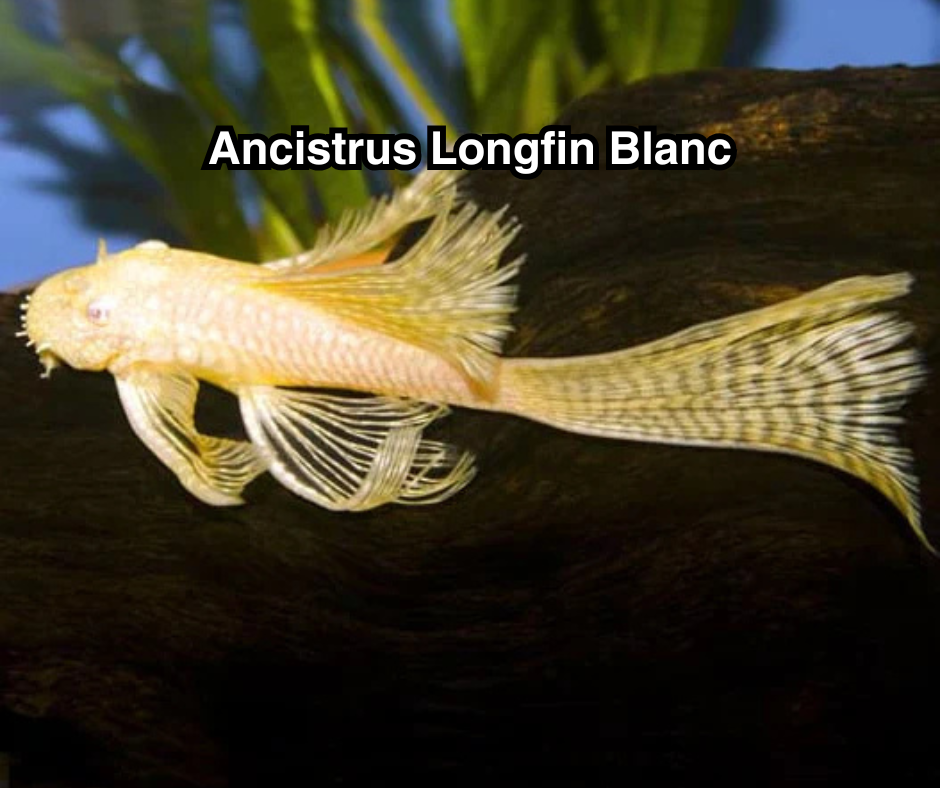
Albino Longfin Bristlenose Pleco
Albino Longfin Bristlenose Pleco
Couldn't load pickup availability
Albino Longfin Bristlenose Pleco
Quick facts
- Origin: South America (rivers and streams)
- Temperature: 22 to 28 °C
- pH: 6.5 to 7.5
- Behaviour: Territorial but peaceful, active at night
- Diet: Herbivore: algae, greens, wafers
Bristlenose plecos, also known as “plecos” or “cleaner fish”, are popular bottom dwellers in freshwater aquariums. Their scientific name is Ancistrus spp., and they belong to the Loricariidae family.
Natural habitat: Bristlenose plecos come from the rivers and streams of South America, where they are mostly found in calm, well-oxygenated water. Their natural habitat often includes rocky or sandy areas, where they hide among aquatic plant roots and plant debris.
Tank preferences: for a good home in captivity, a roomy tank with good water flow is recommended. They like well-planted areas with lots of hiding spots, such as caves, rocks and driftwood. Make sure to provide good filtration and regular cleaning to keep water quality high.
Water parameters: Bristlenose plecos prefer soft water with a slightly acidic to neutral pH, usually between 6.5 and 7.5. Water temperature should be kept between 22 °C and 28 °C (72 °F – 82 °F) for their health and well-being. They are also sensitive to water quality, so keep a close eye on nitrite, nitrate and ammonia levels.
Behaviour: Bristlenose plecos are territorial but peaceful fish that spend most of their time searching the bottom of the tank for food. They are mostly active at night and rest during the day, which makes them excellent bottom dwellers for community tanks. They are herbivores, feeding mainly on algae and green vegetables, but they also accept algae wafers and commercial bottom-feeder foods.
Bristlenose plecos are fascinating, useful fish to have in a freshwater aquarium. Give them a suitable setup and a balanced diet, and you can enjoy them while helping keep a healthy aquatic ecosystem.
Share
